
Through gathering insights and community listening, we see a debate regularly playing out, which leaves people choosing a side, often without having all of the facts to hand.
The Brownfield vs Greenfield debate
Brownfield and greenfield are planning terms that have become common language.
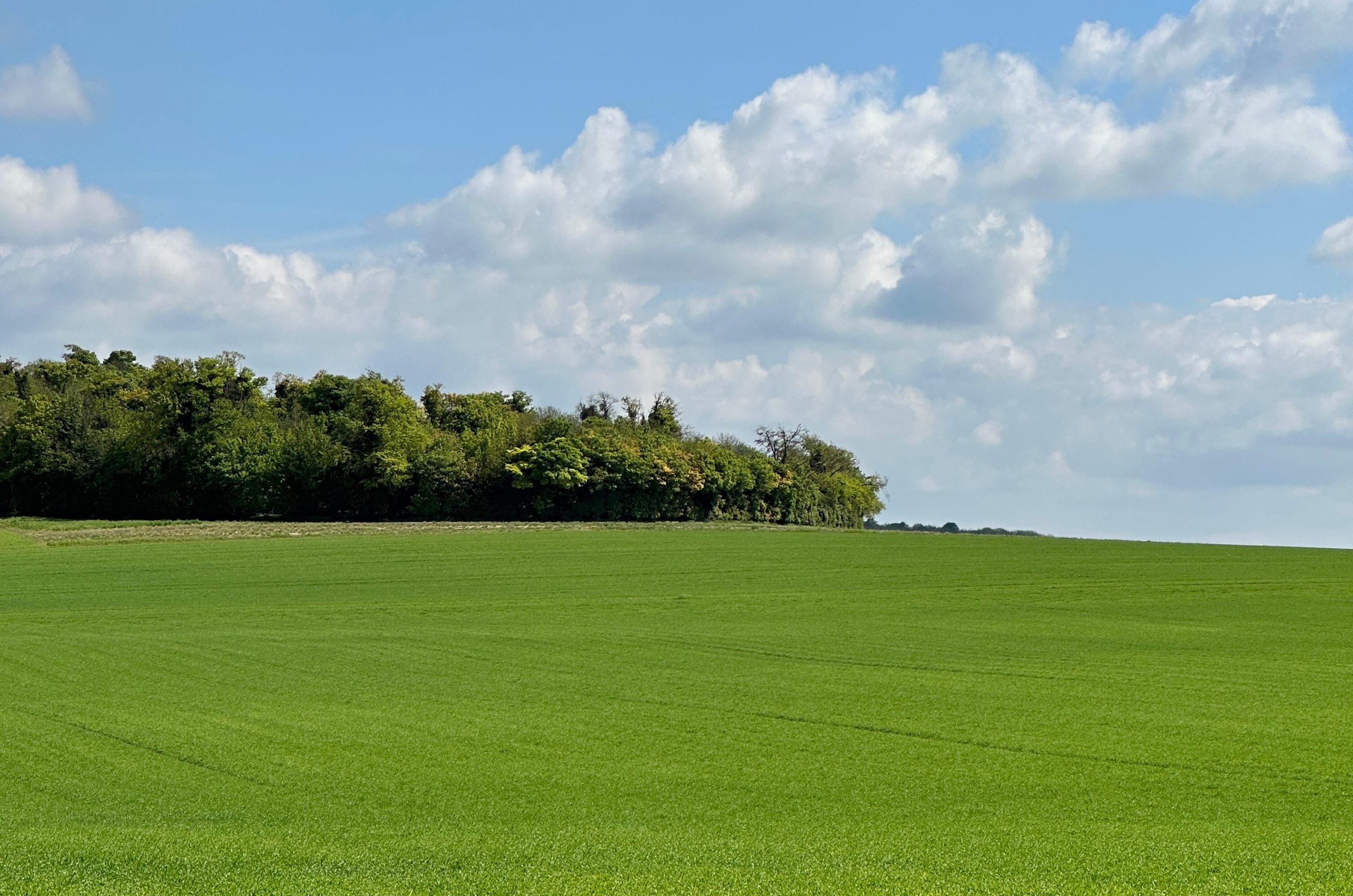
Yet these labels can be deeply misleading. A patch of derelict industrial ground might be ecologically diverse with wildflowers, pollinators, and nesting birds. Meanwhile, a so-called greenfield site could be degraded farmland, compacted by years of intensive agriculture and drained of biodiversity.
I’ve seen this contradiction play out close to home.
Rewilding a Brownfield site
A long-abandoned industrial plot, once occupied by a 19th-century coachbuilder, had quietly rewilded without human interference.
Between the crumbling brickwork, a thriving mini-ecosystem emerged. Bees burrowing into gravel, wild plants reclaiming space. The land was later cleared and new homes developed with minimal green space. Perhaps a missed opportunity to sensitively integrate nature into the places we live.
This is the flaw in our binary thinking. Label a site ‘brownfield’, and it signals that it is ready for development. Call it ‘greenfield,’ and the outrage is instant. The public outcry we see on social media rarely goes beyond these words to ask what the land actually is, what its condition is, its ecological value, and its potential.
A balance between houses and green spaces
Urban areas do need more homes, but they also need more green. Cities depend on natural systems to manage flood risk, store carbon, and improve well-being. Packing every disused site with housing risks creates dense spaces with little room for nature.
Equally, building on certain greenfield sites, particularly degraded agricultural land, can be an opportunity to restore biodiversity and create sustainable, mixed-use developments that bring people closer to nature.
Understanding the land beneath us
The answer isn’t to leave citizens to pick a side. It’s to help them understand how land is evaluated and communicate those findings clearly. Too much of the current system is framed in policy language that alienates communities and encourages polarisation. When people don’t understand the terms, they take sides. ‘Save the countryside’ versus ‘build on brownfield.’ Both are grounded in good intentions, but may miss crucial details.
This is ultimately as much a communications issue as a planning one. The language of land use should invite understanding. Each site deserves to be judged on its own merits: its history, ecology, and capacity to support human and natural life.
We can’t build a sustainable future if we treat land as either green or brown. The world is far more nuanced than that. And so must be our conversations about it.
By Debbie Larrad