
St Margaret’s Bay, Kent
Our approach: Co-creation
Rather than imposing an external strategy, famille adopted a collaborative discovery process designed to surface the ideas, language and values already living within the Trust’s team.
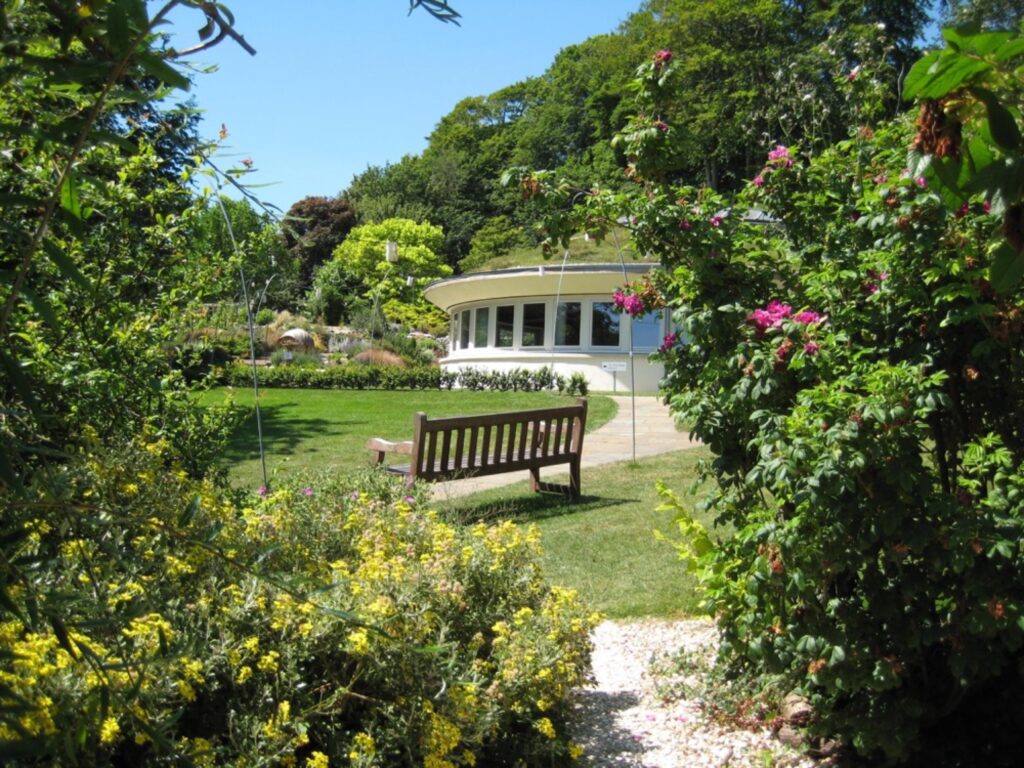
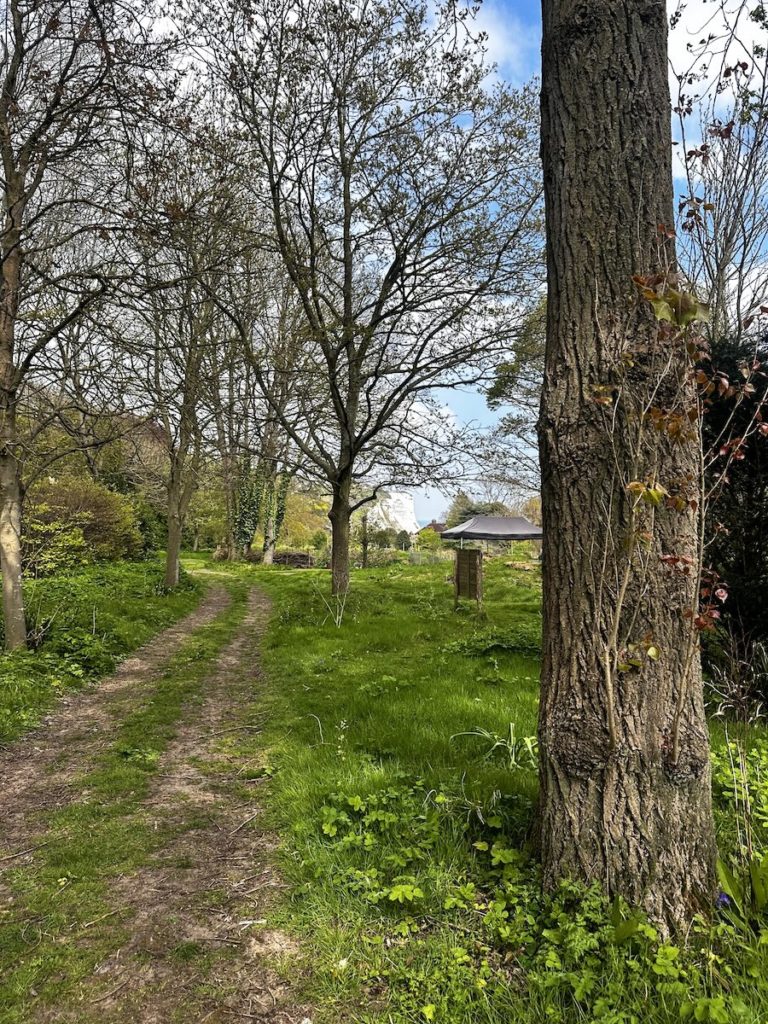
Through one-to-one conversations with operational staff and a facilitated workshop, we explored what makes the place distinctive. By prioritising listening over prescribing, we allowed the team’s deep care for the land to shape the strategic direction, identifying the core concepts that bind their operations together.
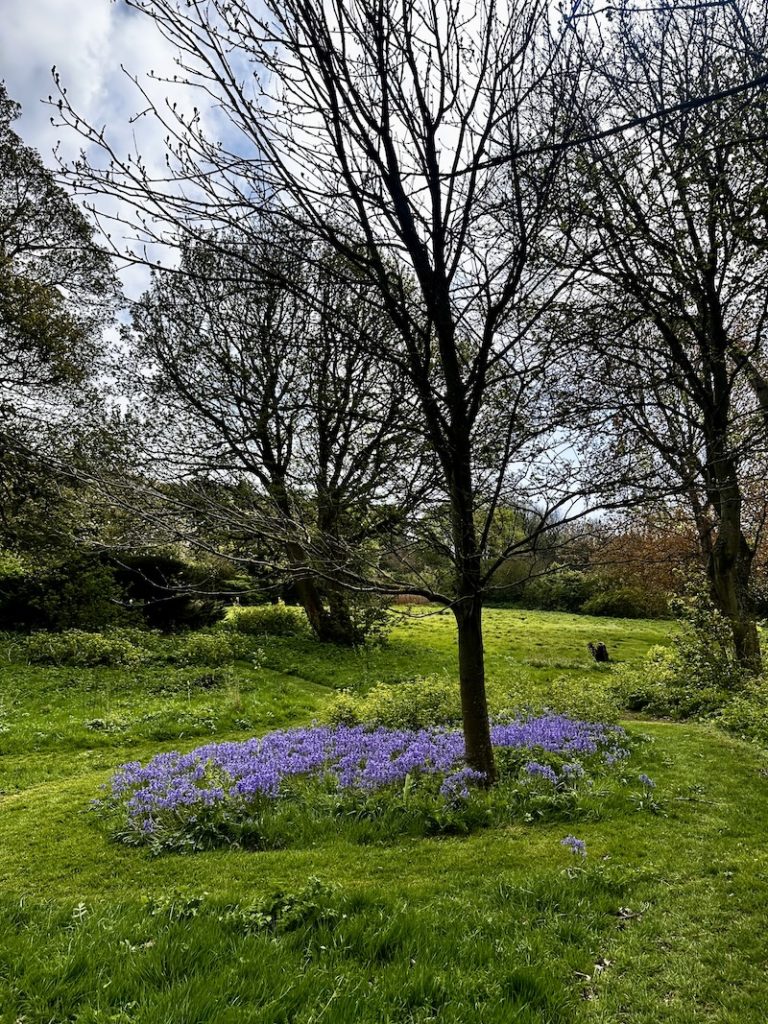
We also discovered that many of The Bay Trust’s innovative practices (permaculture, biochar, regenerative gardening) are deeply meaningful but require context to help visitors fully appreciate. We positioned interpretation as a core communications function, turning ecological complexity into accessible stories of learning and curiosity. This ensures that the “wildness” of the site is seen as intentional and inviting, bridging the gap between operational reality and visitor understanding. This unlocks potential for visitor growth by tapping into values-aligned audiences who prefer grounded authenticity over a highly polished and more structured visitor experience.
The project delivered a foundational shift in how The Bay Trust understands itself and communicates outwardly:
“Working with famille has been a real pleasure. It has been truly respectful - focused on helping us create assured narratives that are based on why the charity exists, what we recognise as special about what we do and the places in which it all happens.”
Keith Harrison, Chief Executive Officer, The Bay Trust.
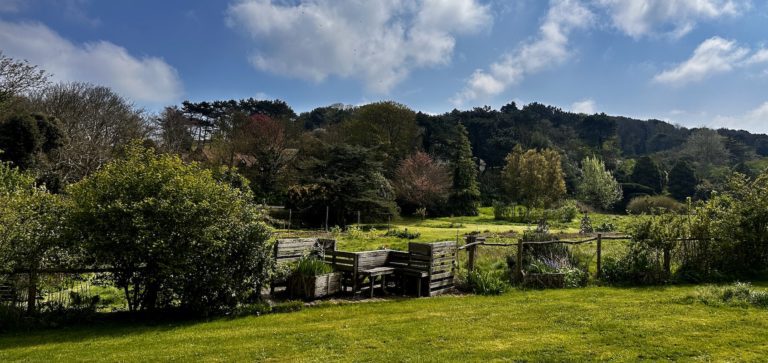
For charities managing complex sites, it’s easy for operational realities to overshadow strategic narrative. By grounding the communications strategy in the lived experience of the staff and the physical reality of the landscape, famille helped The Bay Trust turn its purpose into its greatest strength: a holistic, authentic invitation to connect with nature.