
Despite decades of conversation about climate change dating back to the 1950s, there remains a persistent inability to communicate with clarity when the stakes are highest.
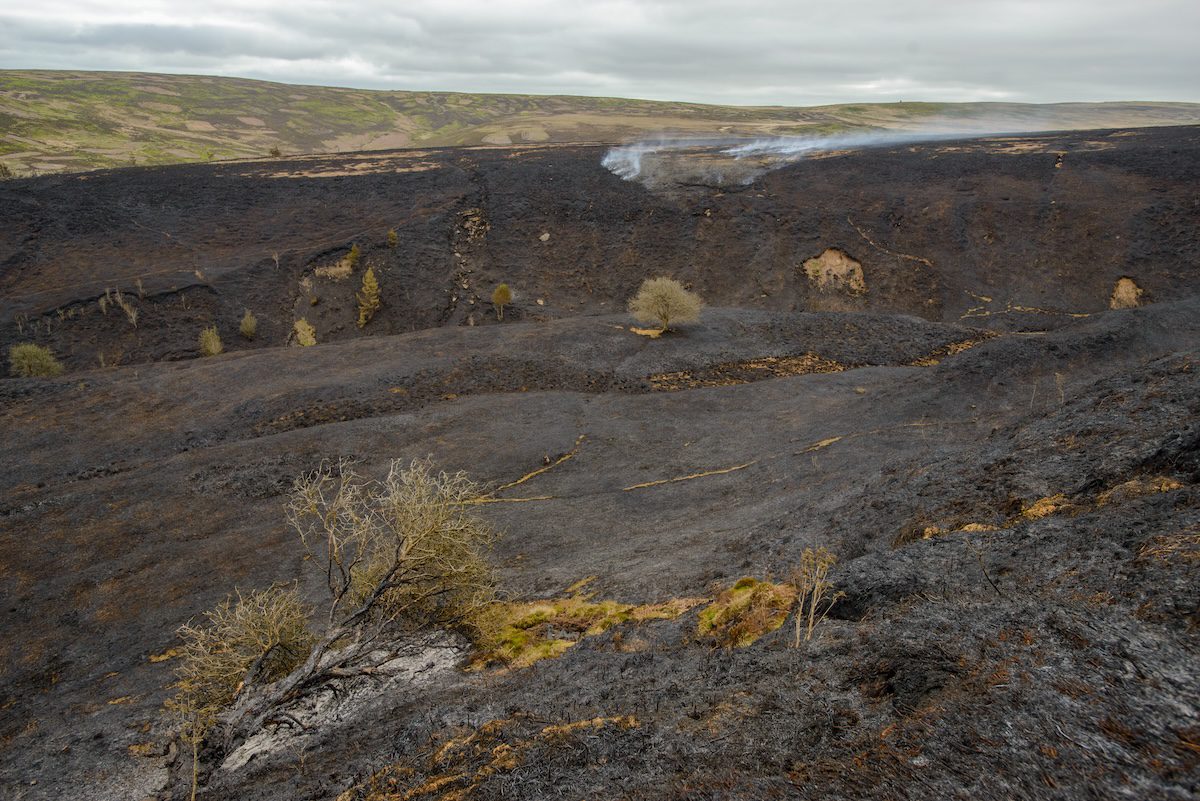
With this summer’s heatwave bringing drought and wildfires that devastate communities and destroy wildlife – pushing resources and services to the limit – it’s been interesting and frustrating to watch the surrounding communications play out.
What is evident is that reactive, uncoordinated messaging can be confusing and disruptive, while planned, synchronised communications can play a critical role in uniting people around a central goal.
We know that extreme weather events can happen, so why were we so unprepared?
Immediate operational pressures routinely crowd out crisis planning. The result is reactive communication – responding as events happen, rather than leaning into a toolkit of pre-approved messages and supporting collateral.
Hot, dry summers like the one experienced this year come with a range of challenges that require a national response – whether reducing water consumption, taking action to prevent wildfires, or taking steps to support wildlife.
Despite the severity, initial public messaging lacked coherence. Reports emerged that senior officials debated the necessity of an alert hours before it was issued, while frontline services faced mounting pressure. This delay in decisive communication left communities anxious and ill-informed, highlighting a critical gap between operational reality and public narrative.
A government alert to mobile devices on 14 August advised that “residents, landowners and visitors should not undertake any activity that could start a fire, including disposable barbecues, firepits, garden incinerators or fireworks. Even a small flame can rapidly develop into a major wildfire…” This was welcomed and praised by chair of National Fire Chief’s Phil Garrigan, who reported a decrease in the number of wildfires emergency services had responded to within 72 hours of the alert being sent.
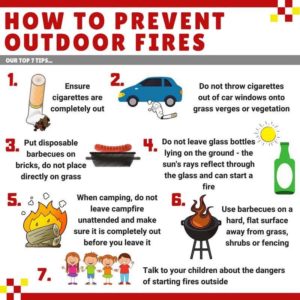
The response also revealed how easily fragmented communication can undermine public trust. While national alerts warned of severe risk, a local channel circulated generic fire safety infographics that appeared to permit campfires. A confusing contradiction that highlighted the need for stricter alignment.
Vulnerable groups
Perhaps most concerning was the impact on vulnerable groups. Charities including Women’s Aid and Hourglass raised urgent concerns that the lack of warning compromised the safety of domestic abuse survivors, who rely on hidden secondary phones for lifeline support. As Maggie Evans from Hourglass noted, ‘Domestic abuse victims should never be put at risk by the very systems meant to keep us all safe.’
This underscores a vital lesson: with earlier consultation and scenario planning, specialist partners could have been given advance notice.
What can we do better?
This comes back to the basics of good communications. Are we providing clear and accurate information to the people who need it, in a way that meets their needs?
We can’t rely on common sense in times of crisis. We need a clear narrative that cascades down from government, businesses and NGOs.
The concept of ‘wildfire’ itself is often misunderstood. Frequently human-caused, these fires can move fast, spreading through both rural and urban areas. Add extreme heat and drought, and you have an entirely new communication challenge: education.
Growing up in a rural community, I was taught to be vigilant around fire, especially during harvest time and hot, dry summers where stubble in fields could easily catch fire. But not everyone shares my background. We must provide accessible, concise information that builds knowledge without assuming shared experience.
Clear communication also acts as a buffer against the noise of modern discourse. When official messaging is slow or fragmented, the void is filled with speculation and polarised narratives. Furthermore, in an environment prone to sensationalism, there’s a risk that public anxiety is amplified by headlines seeking clicks rather than accuracy. Our role is to preempt this by providing calm, factual, and consistent information that anchors the conversation in reality, rather than allowing fear or misinformation to drive the agenda.
So where do we go from here?
Climate impact is a reality; we are living in it. It’s not a new normal, but it is a change that we need to help people navigate, and we can only do that if we plan for potential scenarios.
Let’s think about how we disseminate information now, rather than leaving it to chance for the next crisis. We won’t get everything right, but we can do much better.
An actionable checklist for crisis readiness
- Draft communications plans for a wide range of potential scenarios, tested and agreed with key partners in advance. This will ensure a proactive, timely response in times of crisis, and consistent messaging.
- Agree communications channels and sign-off protocols, with deputies to cover absences or provide additional support when teams are stretched.
- Check that everyone in the team knows their role and consider building in agency/freelance resources to be on standby. This could be voluntary as part of their social value commitment.
- Consider the partners who will help get the message through and establish a protocol for disseminating information.
- Have comms collateral ready to go – including images and infographics.
- Avoid overly complex infographics to convey key messages. These are difficult for audiences using screen readers. Improve accessibility with clear information, repeated in well-structured captions.
- Ensure images are wholly representative of communities and the situation at hand. You can check out our Green Claims Policy for further information on how we use imagery.
- Consider audience needs in both the narrative, imagery and method of delivery.
- Plan communications in different languages and formats. Alternative language formats may be overlooked when resources are stretched; consider now how you will ensure that you reach all members of the community.
- Avoid dulling down serious messages or instructions with humour, exclamation marks or emojis.
- Gather feedback on what worked well this year, and what didn’t, to shape future scenario planning. Inviting feedback now will support better crisis communications for next time.
If you’d like to talk to us about scenario planning for your communications, please contact debbie@famille.uk to arrange a free consultancy session.
Images credit: Alastair Johnstone-Hack / Climate Visuals